DIY Cat Enrichment: 5 Easy Homemade Activities
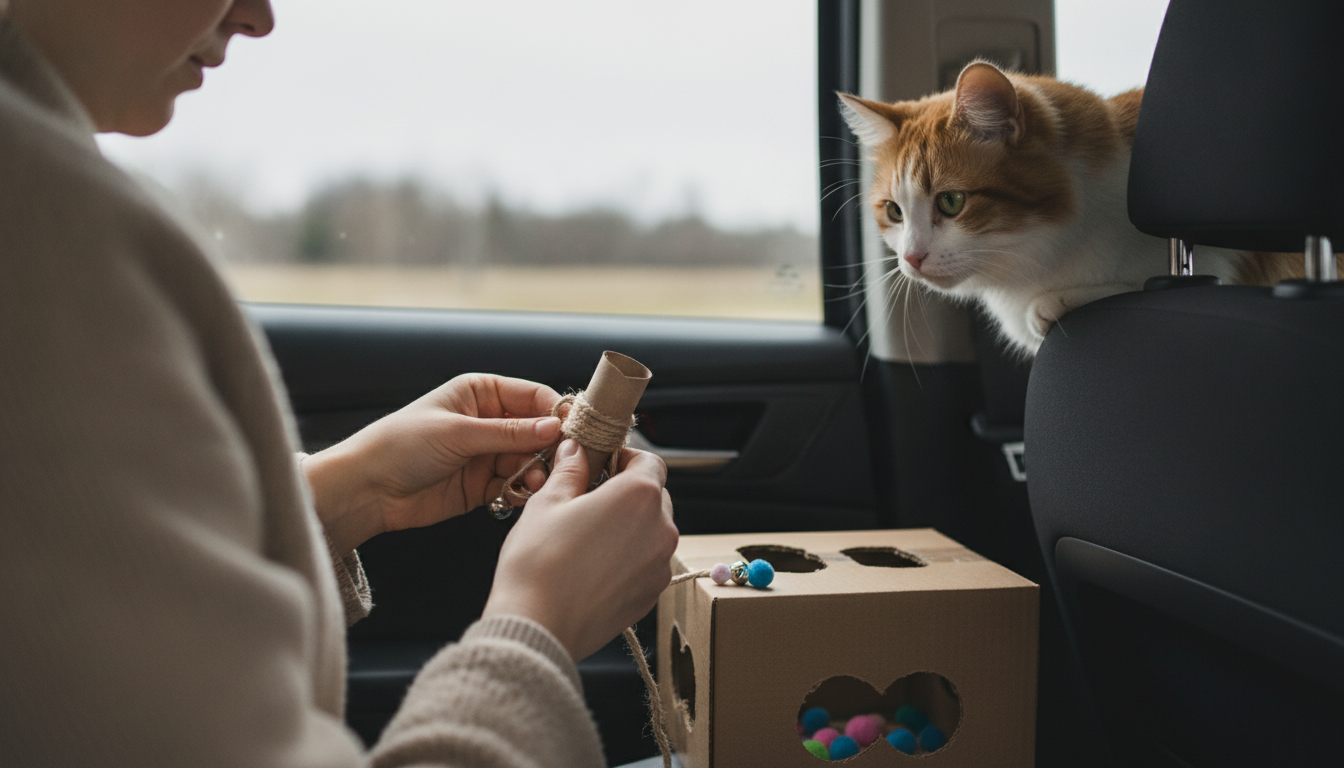
How do you make homemade enrichment for cats?
Homemade cat enrichment is about turning everyday items and a few minutes of setup into safe opportunities to hunt, climb, scratch, and solve little “puzzles.” Rotate activities to keep them fresh, and match the challenge level to your cat’s age and energy. For more ideas and step-by-step options, see the full guide here: https://greatgoodsparlor.shop/how-do-you-make-homemade-enrichment-for-cats/.
1) Make a simple food puzzle
Hide a few pieces of kibble or treats in a muffin tin and cover some cups with crumpled paper balls. Your cat will sniff, paw, and “forage” to uncover rewards. Start easy (just a couple covered cups), then increase difficulty as your cat learns the game.
2) Build a cardboard “hunt box”
Use a shallow box and add paper bags (handles removed), tissue paper, or packing paper. Toss in a few toys or treats so your cat can stalk and pounce. Keep the materials loose and replace them when torn or damp.
3) Create a wand-toy circuit
Dedicate 5–10 minutes to structured play: move the wand like prey—slow, stop-start, then a quick “escape.” Let your cat catch it at the end to avoid frustration. Finish with a small snack to mimic a successful hunt.
4) Add vertical space with what you have
Arrange a stable stepping path using a sturdy chair, a low shelf, or a secured cat tree area so your cat can climb and perch. Cats feel more confident with elevated vantage points, especially in busy homes.
5) Offer legal scratching and scent variety
Set out a cardboard scratcher or a tightly wrapped towel over a stable surface for quick scratching sessions. Sprinkle a pinch of catnip or silvervine (if your cat responds to it) to renew interest, and rotate items every few days.
Safety checklist
Skip string, ribbon, rubber bands, and small pieces that can be swallowed. Supervise new DIY toys, remove staples/tape, and choose sturdy materials. If your cat is a heavy chewer, stick to activities you can monitor closely.
FAQ
How often should you rotate cat enrichment activities?
Rotate small items every 2–3 days and reintroduce favorites weekly to keep novelty high. Daily play sessions can stay consistent while the “props” change.











Leave a comment