Learn Local Etiquette Fast Before Any International Trip
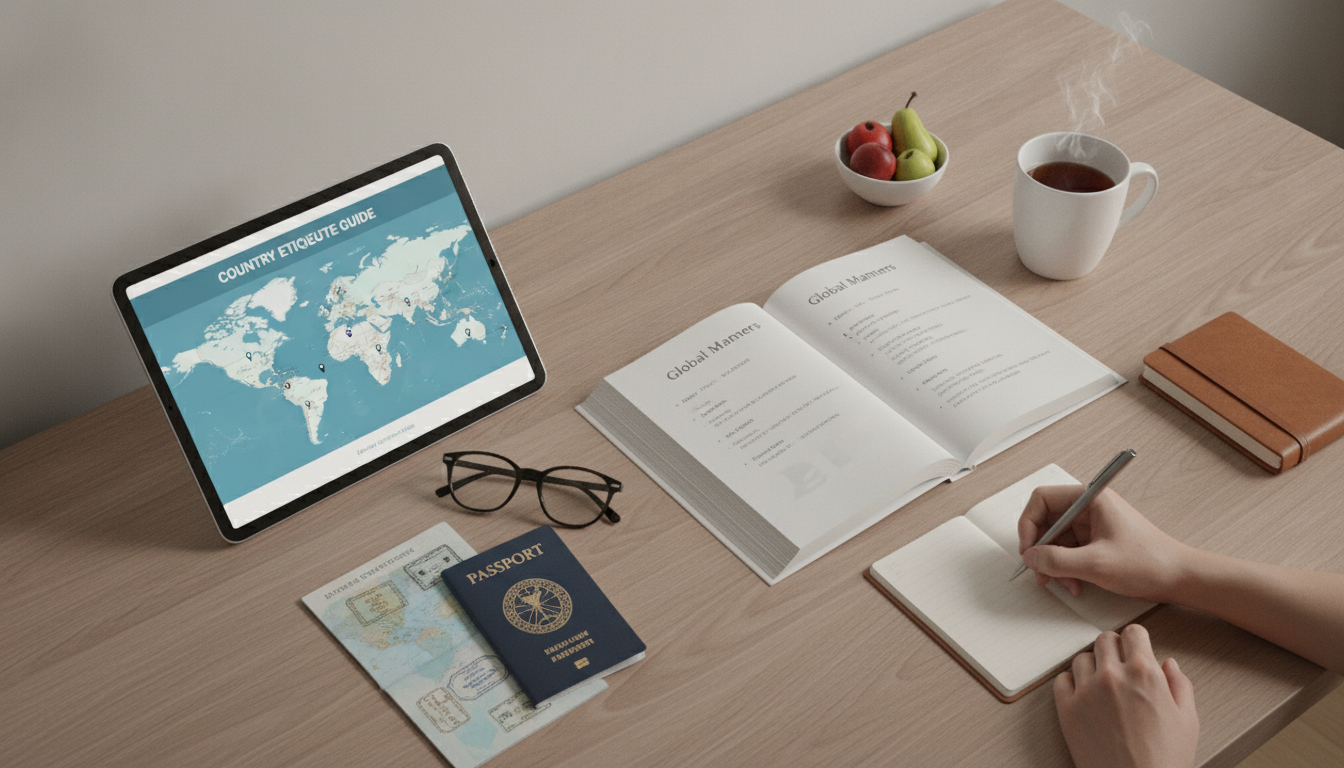
How do I learn country-specific etiquette quickly before an international trip?
The fastest way to get country-specific etiquette right is to focus on a short list of high-impact behaviors: greetings, personal space, dining manners, tipping, dress codes, and what’s considered rude in public. Instead of trying to memorize everything, build a “do/don’t” checklist you can actually use while traveling.
Start with a reliable one-page overview
Look for a current destination guide from a reputable travel publisher, your country’s embassy travel notes, or a well-maintained cultural guide. Skim for the essentials: how to greet (handshake, bow, cheek kiss), forms of address (first name vs. titles), and common taboos (gestures, shoes indoors, pointing, showing soles of feet).
Use short videos to copy tone and body language
Reading helps, but watching helps faster. Search for quick etiquette videos on greetings, restaurant behavior, and public transit norms. Pay attention to volume, eye contact, pacing, and how people queue—those details often matter more than perfect phrasing.
Learn “micro-phrases” that prevent awkward moments
Memorize a few polite phrases and pair them with the right tone: “Hello,” “Please,” “Thank you,” “Excuse me,” “Sorry,” and “Do you speak English?” Add one culturally useful line like “Is it okay if I…?” to check before taking photos, giving tips, or entering a home.
Run a 10-minute scenario drill
Mentally rehearse three common situations: meeting someone, ordering a meal, and visiting a home or temple. For each, note what to do with your hands, shoes, and phone; whether tipping is expected; and any clothing expectations. This reduces mistakes when you’re tired or rushed.
Keep a notes card for day one
Save a simple note on your phone labeled “Day 1 Etiquette.” Include greeting style, tipping rule, dining basics, and one major taboo. Review it on the plane and again before your first meal out.
For a deeper, destination-ready checklist you can use immediately, visit the main guide here.
FAQ
What are common etiquette mistakes tourists make in restaurants abroad?
The biggest issues are tipping incorrectly, misunderstanding how to get a server’s attention, and breaking table norms (like using hands vs. utensils or leaving chopsticks in rice). When in doubt, watch nearby diners and keep your behavior low-key and polite.











Leave a comment