Common Travel Scams in Major Cities (And How to Avoid)
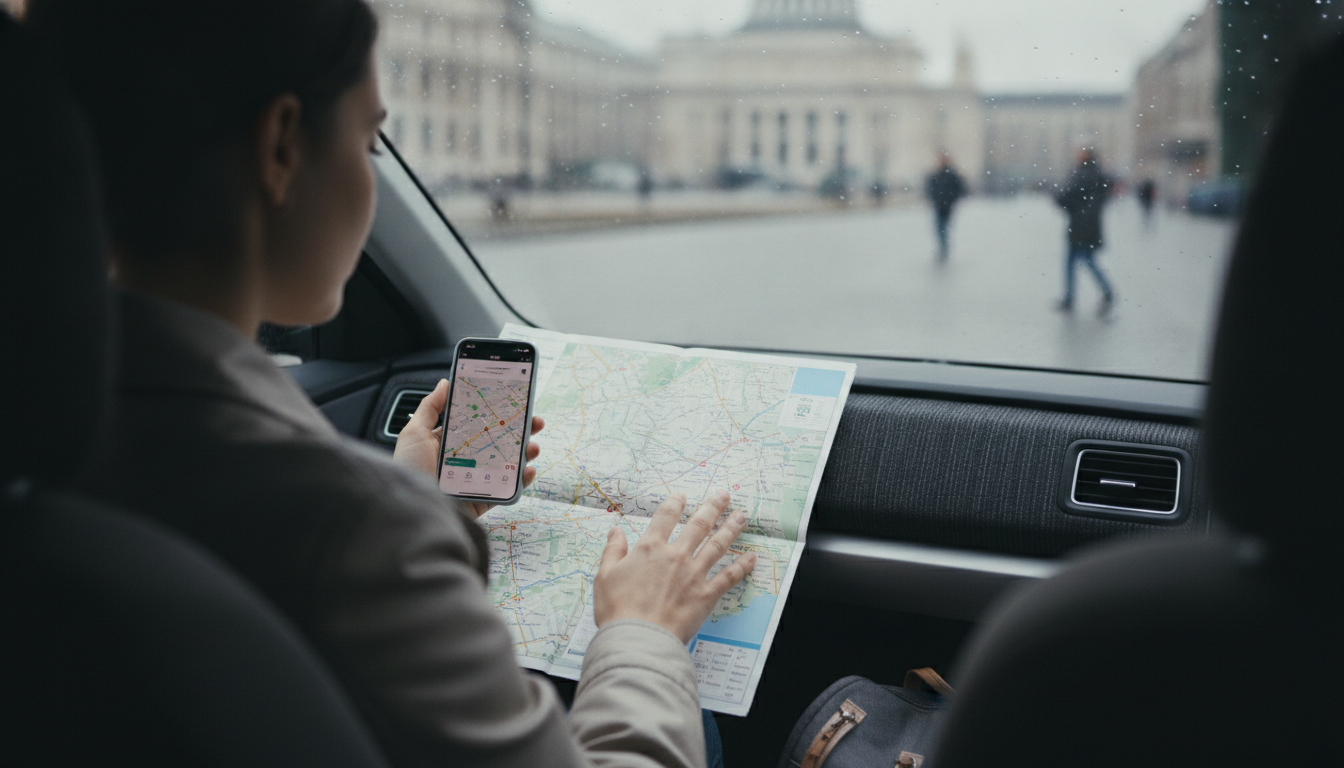
What are the most common travel scams tourists should watch for in major cities?
In major cities, most travel scams share the same goal: rush you, distract you, or pressure you into paying before you can think. Knowing the most common setups helps you spot the pattern early, keep your plans on track, and protect your cash, cards, and phone. For a deeper breakdown and extra tips, visit the main guide.
Fake “helpful” locals and forced assistance
A common tactic is unsolicited help at ticket machines, ATMs, or with luggage—followed by a demand for payment or an attempt to see your PIN. Decline firmly, keep your screen covered, and step away if someone crowds you.
Street games, “free” gifts, and distraction pickpockets
Shell games, bracelet-stringers, and “free” flowers are designed to pull you into a tiny circle of attention while an accomplice targets your pockets or bag. Don’t engage, keep moving, and wear bags crossbody with zippers facing inward.
Taxi and rideshare tricks
Watch for drivers refusing the meter, taking a “shortcut,” claiming the card reader is broken, or adding surprise fees. Use official taxi stands when possible, confirm the fare rules before you ride, and screenshot rideshare details.
ATM and card skimming
Skimmers and hidden cameras can be added to ATMs in tourist-heavy areas. Use bank-branch machines when possible, tug lightly on the card slot, cover the keypad, and turn on transaction alerts.
Counterfeit tickets, tours, and closed-attraction redirects
Scammers may claim an attraction is closed and steer you to a “partner” tour, or sell fake event tickets near venues. Buy from official sites or reputable platforms, and verify closures on the attraction’s official channels.
Overpriced menus and bill padding
Some restaurants use missing prices, different menus, or surprise “service” items to inflate the bill. Ask for a menu with prices, confirm any specials’ cost, and review the check before paying.
FAQ
How can I protect my phone and wallet while sightseeing?
Keep your phone out of your back pocket, use a zippered crossbody bag worn in front in crowded areas, and avoid setting devices on café tables. Turn on screen locks and tracking, and carry only the cards and cash you need for the day.











Leave a comment